
Best Way To Exfoliate Sensitive Skin At Home
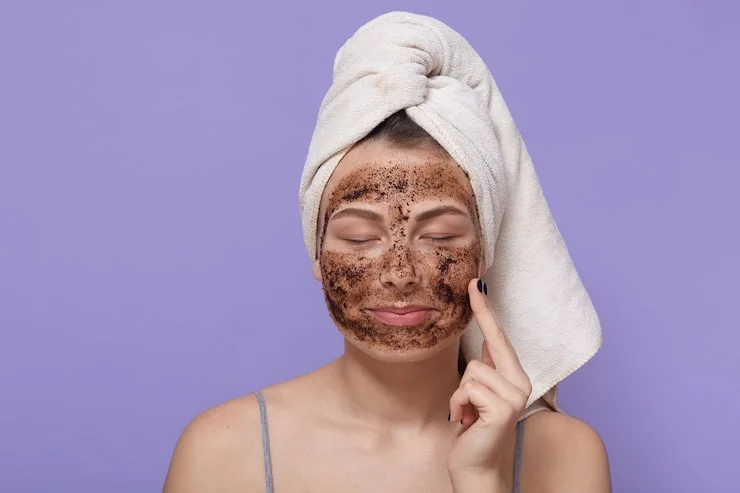
If you have sensitive skin, the word “exfoliate” might make you nervous. You have probably heard horror stories about redness, burning, and peeling. Maybe you tried a scrub once, and your face felt like it was on fire for days. That experience is common, and it is not your fault.
The truth is that exfoliation can help sensitive skin. It can make your skin look brighter, feel smoother, and help your other skincare products work better. But the way most people exfoliate is simply too harsh for skin that reacts easily. This guide will show you a different way. You will learn what makes sensitive skin different, which methods are safe, which ones to avoid, and how to build a routine that gives you results without the pain.
What Makes Sensitive Skin Different?

Sensitive skin is not just a marketing label. It describes skin that reacts more easily to products, weather, and even stress. If your skin often stings, burns, turns red, or feels tight after using a product, you likely have best way to exfoliate sensitive skin at home.
The reason comes down to something called the skin barrier. Think of your skin barrier as a protective wall. It keeps water in and keeps irritants out. In sensitive skin, this wall is weaker. It does not block irritants as well, and it loses moisture more quickly. This means ingredients that other people can tolerate without a problem can cause a reaction for you.
This is why the standard advice to “just use a gentle scrub” often fails. Any kind of friction or harsh ingredient can break down that wall even more. The goal with sensitive skin is not to scrub harder or use stronger acids. The goal is to work with your skin, not against it.
The Two Main Types of Exfoliation
All exfoliation falls into two categories. Understanding the difference is the first step to choosing the right method for your skin.
Mechanical exfoliation uses physical force to remove dead skin cells. This includes scrubs with beads or seeds, brushes, washcloths, and exfoliating gloves. You rub or scrub the product against your skin to slough off the top layer. For most sensitive skin, this method is a problem. The friction causes irritation and can damage the skin barrier .
Chemical exfoliation uses acids or enzymes to dissolve the glue that holds dead skin cells together. You apply the product and let it sit. There is no rubbing or scrubbing involved. The ingredients do the work on their own. For sensitive skin, this is almost always the better option because it avoids the physical trauma of scrubbing .
Read Also: Is Bakuchiol Safe For Sensitive Skin On Face
Why You Should Avoid Scrubs and Tools?
Physical exfoliants are the most common mistake people with sensitive skin make. A sugar scrub feels natural and gentle, but the sharp edges of the sugar crystals create tiny tears in your skin. A brush or glove can be even worse because you control the pressure, and it is easy to press too hard without realizing it.
Exfoliating gloves, brushes, and cleansing tools with bristles can cause irritation, damage the skin barrier, and even make conditions like acne or rosacea worse . If you have dry or sensitive skin, the American Academy of Dermatology recommends avoiding these tools entirely .
The only safe form of physical exfoliation for sensitive skin is a very soft washcloth used with a gentle cleanser. Even then, you should use almost no pressure. Think of it as wiping, not scrubbing.
The Best Chemical Exfoliants for Sensitive Skin
Not all chemical exfoliants are equal. Some are far too strong for sensitive skin. Others are designed to be gentle. Here are the ones that work best.
PHAs (Polyhydroxy Acids)
PHAs are the gentlest option available. The most common ones are gluconolactone and lactobionic acid. The reason they are so gentle comes down to molecule size. PHA molecules are larger than other acids, which means they cannot penetrate as deeply into the skin. They work on the surface, dissolving dead skin cells slowly and without irritation .
PHAs also have a bonus benefit. They help bind moisture to the skin, so they hydrate while they exfoliate. For sensitive skin, this is ideal. You get the smoothing effect without the dryness that often follows exfoliation .
Mandelic Acid
Mandelic acid is a type of AHA, but it is much gentler than glycolic or lactic acid. It comes from bitter almonds and has a larger molecule size than most AHAs. This means it absorbs slowly and does not cause the stinging or burning that stronger acids can . It is also known for having anti-inflammatory properties, which can help calm redness .
If you have sensitive skin that is also prone to breakouts or uneven tone, mandelic acid is a good choice. It exfoliates without stripping your skin.
Lactic Acid
Lactic acid is another gentle AHA. It is milder than glycolic acid and is often recommended for sensitive skin at low concentrations . It helps smooth texture and brighten dullness. Because it is an AHA, it can still cause irritation if you use too much, so start with a low percentage and use it infrequently.
Enzymes
Enzyme exfoliants use natural fruit enzymes, like papain from papaya or bromelain from pineapple, to dissolve dead skin cells. They work in a similar way to acids but are often even gentler . Enzyme masks and cleansers are a good option if even PHAs feel too strong. They are especially popular in Korean skincare for sensitive skin types .
Ingredients to Avoid
Just as important as knowing what to use is knowing what to avoid. Certain ingredients are almost guaranteed to cause irritation for sensitive skin.
Avoid any scrub that contains walnut shells, apricot kernels, sugar, salt, or plastic beads. These are too abrasive.
Avoid high concentrations of glycolic acid or salicylic acid. These work well for oily or acne-prone skin, but they are too strong for sensitive skin. If you see a product with 10% glycolic acid, it is not for you.
Avoid products with fragrance, essential oils, or alcohol. These ingredients do not exfoliate, but they are common irritants that can make the effects of exfoliation much worse.
Also, be careful about mixing exfoliants. Using an AHA and a BHA on the same day, or using an exfoliant with retinol, can overwhelm your skin. For sensitive skin, this combination can cause redness, burning, and peeling . Stick to one exfoliant at a time.
How Often Should You Exfoliate?
Less is more. This is the most important rule for sensitive skin.
Most dermatologists recommend exfoliating just once every one to two weeks for sensitive skin . Some extremely sensitive skin types may only tolerate it once a month .
This may sound like not enough, especially if you see people online using acids every night. But your skin is not their skin. Over-exfoliating is the fastest way to damage your skin barrier. It leads to more redness, more sensitivity, and more breakouts, not fewer.
A good rule is to start with once every two weeks. If your skin handles that well for a month, you can try once a week. If you notice any stinging, redness, or tightness, wait longer before your next session.
How to Introduce an Exfoliant Safely
Before you put any new exfoliant on your face, you must do a patch test. This is not optional for sensitive skin.
A patch test means applying a small amount of the product to a hidden area of skin, like your inner forearm or behind your ear. Wash the area first and let it dry. Apply the product and leave it on for the time the instructions recommend. Then rinse it off.
Watch for any reaction over the next few days. Redness, itching, swelling, or burning means the product is not for you . Even if you do not react right away, wait a few days before using it on your face. Some reactions are delayed .
If your skin stays calm after several days, you can try the product on your face. Start with a small area, like your jawline, before using it all over.
A Step-by-Step Routine for Exfoliation Night
When you are ready to exfoliate, follow these steps carefully.
Start with a clean face. Use lukewarm water and a gentle, fragrance-free cleanser. Pat your skin dry with a soft towel. Do not rub.
Apply the exfoliant. If you are using a liquid or serum, put a small amount on your fingertips and gently press it onto your skin. Do not rub or massage. If you are using a mask, apply an even layer and leave it on for the time stated on the package.
Wait. Give the product the time it needs to work. Most chemical exfoliants need anywhere from five to twenty minutes.
Rinse. Use lukewarm water to remove the product. Hot water strips your skin and can cause more irritation.
Moisturize immediately. This step is crucial. Exfoliation removes dead skin cells, which can leave your skin more vulnerable. A good moisturizer helps seal in water and supports your skin barrier . Choose a moisturizer with simple ingredients, like ceramides or hyaluronic acid.
You May Also Like: Skincare Routine For Oily Acne Prone Skin
What to Do If Your Skin Reacts?

Even with careful planning, your skin might react. If you feel burning, stinging, or see redness that does not go away within a few hours, stop using the product.
Wash your face with cool water to remove any remaining product. Apply a simple, soothing moisturizer. Do not use any other active ingredients, like retinol or vitamin C, for at least a week. Let your skin rest and heal.
If the reaction is severe, or if it does not improve after a few days, see a dermatologist. They can help you figure out what went wrong and how to care for your skin going forward.
Aftercare and Sun Protection
Your skin after exfoliation is more sensitive to the sun. This is true for all skin types, but especially for sensitive skin. Always apply a broad-spectrum sunscreen with SPF 30 or higher the morning after you exfoliate . Even if it is cloudy, the UV rays can still damage your skin.
You should also be gentle with your skin for a few days after exfoliating. Avoid hot showers, harsh cleansers, and other active ingredients. Treat your skin like it needs a break, because it does.
Building a Long-Term Routine
Exfoliation is just one part of caring for sensitive skin. The rest of your routine should support your skin barrier. Use a gentle cleanser, a simple moisturizer, and sunscreen every day. Avoid products with fragrance and alcohol. Do not try too many new products at once.
If your skin is very reactive, you might consider a technique called skin cycling. This is a routine that alternates exfoliation, retinol, and recovery nights. You exfoliate on the first night, use retinol on the second night, and then use only moisturizer on the third and fourth nights. This gives your skin time to repair between active ingredients . While skin cycling is usually designed for retinol users, the principle of spacing out exfoliation and giving your skin rest applies to anyone with the best way to exfoliate sensitive skin at home.
When to See a Dermatologist?
If you have tried gentle exfoliation and your skin still reacts badly, or if you have a condition like rosacea or eczema, it is worth talking to a dermatologist. They can examine your skin and tell you whether exfoliation is a good idea for you. In some cases, exfoliation may do more harm than good, and your dermatologist can help you find other ways to care for your skin.