
Is Bakuchiol Safe For Sensitive Skin On Face
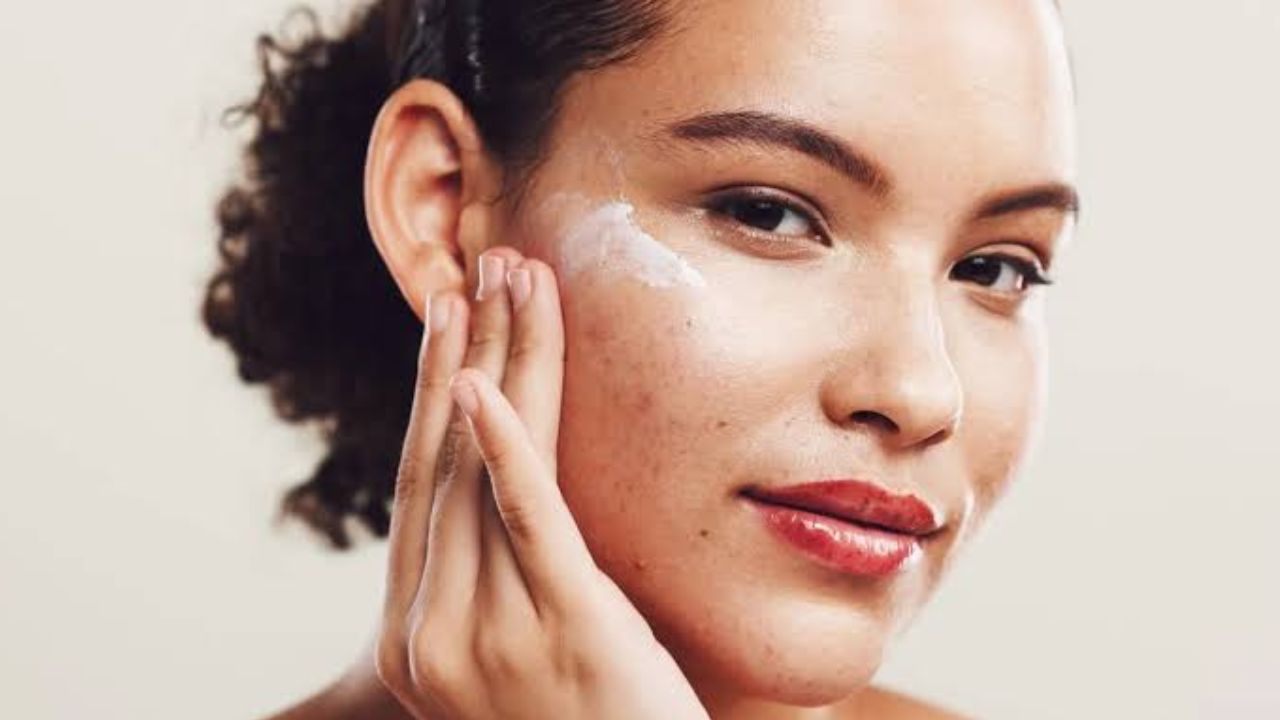
Let me be straight with you. If you have sensitive skin, you know the pain. You buy a product. You apply it. Next morning your face looks like a tomato. It burns. It peels. You regret everything.
This happens with retinol. Retinol is famous. It works. But it is harsh. Very harsh. For sensitive skin, retinol is often a nightmare. Then bakuchiol came. Everyone started talking about it. Plant-based. Natural. Gentle. No peeling. No redness. Sounds too good, right? I had the same doubt. So I dug deep. I read studies. I spoke to dermatologists. I checked real user reviews. Here is what I found.
First, What Even Is Bakuchiol?

Bakuchiol is not new. It comes from a plant. The plant name is Psoralea corylifolia. In Ayurveda, this plant has been used for ages. For skin problems. For other health issues too.
But in skincare, bakuchiol became famous only recently. Why? Because people wanted retinol results without retinol side effects. And bakuchiol gives that. It boosts collagen. It smooths fine lines. It evens skin tone. All this without the drama. But the big question remains. Is it safe for sensitive skin? Let us break it down.
Read Also: Skincare Routine For Oily Acne Prone Skin
Why Sensitive Skin Hates Retinol?
Before we talk about bakuchiol, we need to understand the problem.
Retinol speeds up skin cell turnover. This means old cells shed faster. New cells come up. This is good for aging and acne. But for sensitive skin, this process is too aggressive. The skin barrier gets weak. Water escapes. Irritants enter. Redness appears. Peeling starts. Sun sensitivity increases. You cannot even step out without sunscreen burning your face.
This is why many sensitive skin people give up on anti-aging. They think they have no option. But bakuchiol changes that.
Does Bakuchiol Really Work Like Retinol?
Yes and no.
Yes, because it works on the same pathways. It tells your skin to make more collagen. It helps with cell renewal. It reduces dark spots.
No, because it does not cause the same irritation. It is gentler. Much gentler.
One study compared bakuchiol and retinol directly. They put both on people's faces for 12 weeks. Both gave good results. But the bakuchiol group had almost no irritation. The retinol group had redness, peeling, and dryness.
This is huge. This is why dermatologists now recommend bakuchiol for sensitive skin.
But Is It 100% Safe For Everyone?
Here is the truth. Nothing is 100% safe for everyone. Even water can irritate some skin types.
Bakuchiol is safe for most sensitive skin. But not all. Some people have reported allergic reactions. One case showed a person getting a rash on their scalp from a bakuchiol product. Another person with eczema had contact dermatitis.
These cases are rare. But they exist. So what should you do? Simple. Do a patch test. Always. No matter how gentle the product claims to be. Apply a small amount behind your ear. Wait 24 hours. If there is no redness or itching, go ahead. Use it on your face.
What About Sun Sensitivity?
This is a big one.
- Retinol makes your skin sun-sensitive. You have to use strong sunscreen. Even then, some people still get tanned or burned.
- Bakuchiol does not do this. It does not make your skin more sensitive to UV rays.
- You can use it in the morning. You can use it at night. No problem.
- But please do not skip sunscreen. Sunscreen is non-negotiable. For everyone. Even if you do not use any active ingredient.
- In India, the sun is strong. We all know this. So wear sunscreen. Every single day.
Can Pregnant Women Use Bakuchiol?
This is a tricky one.
Some experts say it is safe. Others say avoid it. Why the confusion?
Because bakuchiol works like a retinoid. And retinoids are strictly forbidden during pregnancy. They can cause birth defects. Bakuchiol is not a retinoid. But it acts on similar receptors. So some doctors say better safe than sorry. Avoid it during pregnancy and breastfeeding. If you are pregnant, ask your doctor. Do not take risks. There are other gentle skincare options available.
How Should You Use Bakuchiol On Sensitive Skin?
This is important. Using it wrong can cause problems. Using it right gives beautiful results.
Here is my step-by-step advice.
Step 1: Start Slow
- Do not use it every day from day one. Even though it is gentle, your skin needs time.
- Start with twice a week. Use it on Monday and Thursday. See how your skin feels.
- If there is no issue, increase to every other day. Then slowly go to daily use.
- This slow process helps your skin adjust. No shock. No reaction.
Step 2: Apply On Dry Skin
Wash your face. Pat it dry completely. Then apply bakuchiol. Do not apply on damp skin. Damp skin absorbs more product. This can increase absorption. For sensitive skin, that might cause irritation.
So dry skin is the way to go.
Step 3: Use A Good Moisturizer After
Bakuchiol is gentle but it can still cause some dryness. Not peeling like retinol. Just mild dryness.
So use a thick moisturizer after. Look for ceramides. Look for hyaluronic acid. Look for niacinamide. These ingredients calm the skin. They repair the barrier. They lock in moisture. In Indian summers, you might want a lighter moisturizer. In winters, go for something richer. Listen to your skin.
Step 4: Do Not Mix With Harsh Actives
This is a mistake many people make.
- They use bakuchiol. Then they use glycolic acid. Then salicylic acid. Then vitamin C. All at once.
- This is too much. Too many actives. Too much for sensitive skin.
- If you use acids or vitamin C, use them on different days. Or use one in the morning and one at night. Do not layer them together.
- Bakuchiol is enough. It does not need help from harsh ingredients.
You May Also Like: Vitamin C Serum Benefits For Face
What Results Can You Expect?

Do not expect overnight magic.
- Bakuchiol works slowly. Especially on sensitive skin. Because you are using it less frequently. And at lower concentrations.
- Most people see changes after 8 to 12 weeks. Fine lines look softer. Skin looks brighter. Dark spots fade a little.
- But if you have deep wrinkles, bakuchiol might not be enough. It is good for mild to moderate aging signs. Not for deep ones.
- So keep your expectations realistic.
My Personal Take
I have seen many people with sensitive skin suffer. They want to look good. They want to age well. But their skin does not cooperate. Bakuchiol is a blessing for them. It is not a miracle. But it is a solid option. A safe option. A science-backed option.
If you have sensitive skin and you want to try an active ingredient, start with bakuchiol. Do not jump to retinol. Do not jump to acids. Start here. Patch test. Start slow. Moisturize well. Be patient. That is the formula.
Final Word
Is bakuchiol safe for sensitive skin on face? Yes. For most people. With proper use. It is not risky. It is not harsh. It does not make you sun-sensitive. It does not cause peeling. But it is not completely free of side effects. Rare allergies can happen. Pregnancy safety is unclear. So be careful.
Talk to your dermatologist if you are unsure. Do a patch test. Introduce it slowly. If you do all this, you will likely have a good experience. Your skin will thank you. No redness. No burning. Just gradual improvement. And that is what sensitive skin needs. Gentle care. Consistent care. Not harsh punishment.