
Business Casual Outfit Ideas For Men
I stood there at 7:15 AM. Coffee in one hand. Staring at my closet. Nothing looked right. The navy chinos were fine but the shirt I wanted was in the laundry. The gray pants needed ironing. My good loafers had a scuff I forgot to fix. This happens more often than I want to admit.
My wife walked by and said "just wear the blue shirt and khakis." She said it like it was obvious. And she was right. I was overthinking it. That is the thing about business casual. We make it harder than it needs to be.
Here is what I have figured out after years of getting dressed for offices in three different cities. Business casual is not a dress code. It is a mind game. You want to look like you belong without looking like you are trying too hard. You want people to take you seriously but also think you are approachable.
It is a weird balance. And it changes depending on where you work.
What I Learned About This Term?
The words business casual do not make sense together. Business means suits and ties and serious faces. Casual means weekend jeans and t-shirts and relaxed vibes. Put them together and you get something that nobody can define.
I worked at a place where business casual meant khakis and collared shirts. No exceptions. I worked at another place where the CEO wore hoodies and nobody cared. Same term. Completely business casual outfit ideas for men.
So here is my take. Business casual means dressing like you have your life together but you are not a robot. It means your clothes say "I am a professional" without screaming "I want to be partner by age thirty."
That sounds vague because it is vague. You have to figure out what it means for your specific office. Watch the people who have been there a while. Notice what the senior people wear on days when they have no meetings. That is your benchmark.
Read Also: How To Style Cargo Pants Men 2026
The Clothes That Work for Me
Let me tell you about my wardrobe. It is not huge. I have maybe fifteen pieces that I rotate. But they all work together and that is what matters.
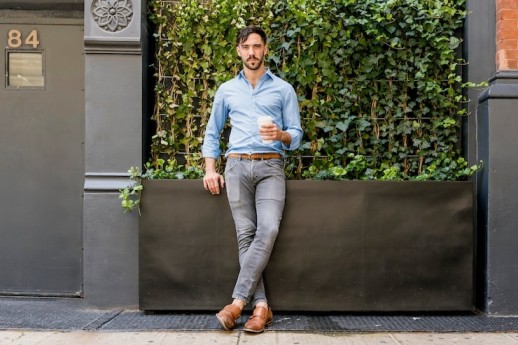
Chinos are my foundation. I have three pairs. Navy. Khaki. Gray. That is it. With those three colors, I can dress for almost any situation. Navy is my default for meetings. Khaki is my go-to for normal days. Gray is what I wear when I want to look a little sharper.
I used to have more colors. I had olive green and burgundy and even a pair of mustard chinos. I wore them once each. They sat in my closet for years. Now I stick with the neutrals. They never fail.
For shirts, I keep it simple. White. Light blue. And two with subtle patterns. Thin stripes or tiny checks. Nothing loud. I learned that bright colors make me look like I am trying to be a fashion influencer. That is not my goal. My goal is to look competent.
Polos are useful in summer. I avoided them for years because I thought they were for golfers and dads on vacation. Then I found a polo that actually fit well. Solid navy. No logo. It changed my mind. I wear it on hot days when a button-down feels heavy.
Blazers are a secret weapon. I have one. Just one. Navy. It goes with everything. When I put it on, my whole outfit looks better. I feel more confident. I wear it for important meetings or when I want to make a good impression.
Shoes matter more than most men realize. I have seen guys in great outfits ruined by bad shoes. Running shoes with chinos. Scuffed loafers with nice pants. Dirty sneakers with a blazer. It hurts to look at.
I have three pairs of shoes for work. Brown loafers. Black oxfords. Clean white sneakers. That covers everything. The loafers are for normal days. The oxfords are for formal days. The sneakers are for casual days or Fridays.
Small things make a difference. A belt that matches your shoes. A watch that is not flashy. Socks that match your pants. These are not big expenses. But they matter.
Outfits That I Actually Wear
Let me walk you through what I wear on different days. These are not theoretical outfits. These are things I have worn to actual jobs.
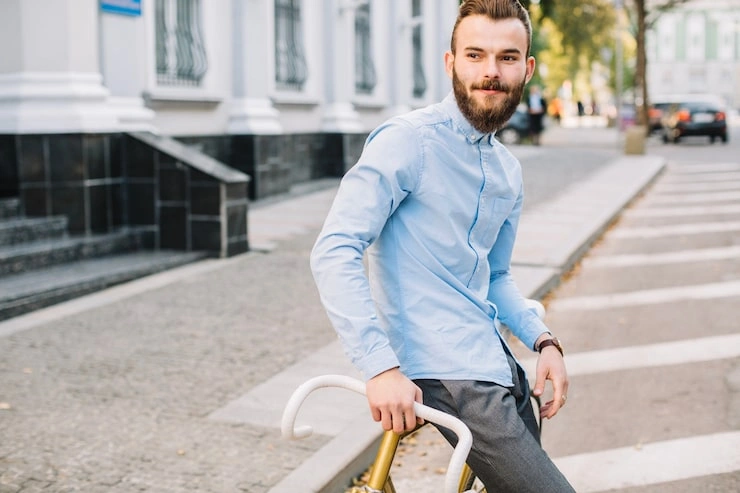
The normal day. Navy chinos. Light blue button-down. Brown loafers. Brown belt. That is it. Simple. Clean. It takes two minutes to put together. I wear this at least twice a week. Nobody has ever said anything negative about it.
The relaxed day. Khaki chinos. Gray polo. White sneakers. No belt because the sneakers are casual. I wear this on Fridays or days when I am not meeting anyone important. It is comfortable. It looks good enough. I do not feel like I am wearing a costume.
The important day. Gray wool trousers. White button-down. Navy blazer. Black oxfords. This is my power outfit. I wear it for client presentations or when I know I will be in front of senior leadership. Gray and navy are serious colors. They make me feel more serious.
The summer day. Light gray chinos. Navy polo. Brown loafers without socks. Light colors keep me cooler. The polo is breathable. No socks means my feet are not sweating. I wore this on a ninety-degree day and survived.
The modern day. Dark gray chinos. Plain white t-shirt. Olive blazer. Clean white sneakers. This is more fashion-forward. I wear it in creative offices or when I want to look current. The white t-shirt keeps it casual. The blazer keeps it professional.
Rules I Follow
I have rules for myself. They are not strict. But they help me avoid looking bad.
Fit is everything. I used to buy clothes that were too big. I thought they were more comfortable. Then I realized that a shirt that fits properly feels better. The shoulder seams should hit at the edge of your shoulder. Pants should not bunch at your ankles. A buttoned shirt should not pull across your chest.
If you are between sizes, go smaller and get it tailored. I spent fifty dollars having a jacket adjusted and it looks like it cost three times that.
Tuck your shirt in. I know some offices allow untucked shirts. But in most places, it looks sloppy. Tucking in your shirt makes you look more polished. When in doubt, tuck it in.
Match your belt and shoes. Brown with brown. Black with black. This is a small detail but it makes a difference. I did not do this for years. Then someone pointed it out and I felt stupid. Now I always match.
Roll your sleeves correctly. Do not push them up like you are about to wash dishes. Fold them neatly. Two or three folds. The roll should end below your elbow. It looks intentional.
Know shoe hierarchy. Oxfords are most formal. Loafers are middle. Clean sneakers are least formal. Match your shoes to the situation.
Grooming counts. You can spend a thousand dollars on clothes and look bad if your hair is messy. I get a haircut every four weeks. I trim my beard twice a week. I keep my nails clean. These things are free or cheap and they make a big difference.
You May Also Like: How To Dress For Your Skin Tone
Different Offices Different Rules
I have worked in different industries. The rules are never the same.
Finance and law are more formal. Dress pants and button-downs. Polos are not acceptable. Sneakers are definitely not acceptable. Blazers are common. I worked with a guy who wore a blazer every day. He looked more professional than everyone else. Tech and startups are more relaxed. Dark jeans and nice t-shirts are fine. But the people who get promoted usually dress one step above. It shows you care.
Creative and marketing give you freedom. You can wear interesting colors. You can mix formal and casual. I have seen creative directors wear blazers with jeans and it looked great. You can express personality but still look professional. Education and nonprofit are in the middle. Chinos and button-downs work. Polos are fine on warm days. Blazers are not required but can be useful. Healthcare administration usually means dress pants and button-downs. If you see patients, you might wear a white coat over your clothes. Keep it simple and clean.
Mistakes I Made
I made a lot of mistakes. Let me tell you about them.
- I wore jeans that were too casual. Light wash jeans with fading. A coworker asked if I was going to a barbecue. I switched to dark jeans without rips. That was better.
- I wore running shoes to work. I thought sneakers were sneakers. They are not. Running shoes belong at the gym. If you wear sneakers, wear clean simple ones.
- I forgot to iron. I wore a wrinkled shirt to work. A colleague asked if I slept in my clothes. I was embarrassed. Now I iron the night before. Or I hang shirts in the bathroom while I shower. Steam removes wrinkles.
- I wore clothes that were too tight. The shirt fit standing up. Then I sat down and the buttons pulled. I was uncomfortable all day. Now I make sure clothes fit when I sit and stand.
- I wore clothes that were too loose. I looked like I was wearing my father's clothes. Clothes should follow your body without being tight.
- I used too much cologne. Three sprays. A coworker smelled me from across the room. Now I use one spray at most.
Building Your Wardrobe Slowly

You do not need to buy everything at once. I built my wardrobe over two years.
Start with basics. Two pairs of chinos in navy and khaki. Three button-downs in white, light blue, and a subtle pattern. One pair of brown loafers. That is enough for a week. Add pieces slowly. Next get gray chinos. More shirts. A blazer. Clean sneakers. A second pair of shoes. I added one item a month.
Invest in quality but do not overpay. A fifty dollar shirt that fits well looks better than a two hundred dollar shirt that fits poorly. Natural fabrics like cotton and wool last longer. Shop sales. January and July sales are good. Know your size in different brands. Take care of your clothes. Follow washing instructions. Hang shirts to dry. Polish shoes. Use a steamer or iron.
Seasons Change Your Clothes Change
- Spring means layering. Light sweater over button-down. Light jacket. Lighter colors. Breathable fabrics.
- Summer is about staying cool. Lighter colors and fabrics. Linen and cotton blends. Roll sleeves. Skip jacket. No socks with loafers.
- Fall is good for layers. Cardigans and sweaters. Blazer in heavier fabric. Darker colors. Forest green. Charcoal.
- Winter needs heavier fabrics. Wool trousers. Layers. Scarf for warmth and style. Dark colors. Shoes with traction for ice.
Final Thoughts
Business casual is not hard. Once you get it, it becomes easy. Fit matters. Colors should work together. Shoes should be clean. Grooming should be neat. Know your office. Look at what coworkers wear. Watch what your boss wears. Dress one step above. That is business casual outfit ideas for men.
You do not need a huge wardrobe. You need a few quality pieces that work together. Small wardrobe of good clothes is better than large wardrobe of bad clothes. Start with basics and build from there. One or two pieces each month. Over time you have a wardrobe that works. Your clothes communicate. They tell people how you see yourself. When you dress well, you feel more confident. That shows in your work.